
If you’re researching flat or low-slope roofing options in British Columbia, you’ve likely come across SBS roofing. But what exactly is SBS roofing, and what’s the difference between a 2-ply SBS system and a 3-ply SBS system? In this guide, we’ll break it down clearly, including benefits, installation, and why these systems are ideal for BC’s wet, variable climate.
What Is SBS Roofing?
SBS roofing refers to Styrene-Butadiene-Styrene (SBS) modified bitumen roofing, a popular type of torch-on or modified bitumen membrane used on flat and low-slope roofs. It’s an evolution of traditional tar-and-gravel (built-up roofing or BUR) systems but with added synthetic rubber polymers for superior flexibility and durability.
The “modified” part comes from blending asphalt with SBS rubber, which makes the membrane elastic, crack-resistant, and able to handle extreme temperature swings—like freezing winters and rainy seasons common in Vancouver, Surrey, and the Lower Mainland. SBS membranes are reinforced with fiberglass or polyester for added strength and typically installed in multiple layers (plies) for redundancy and waterproofing.
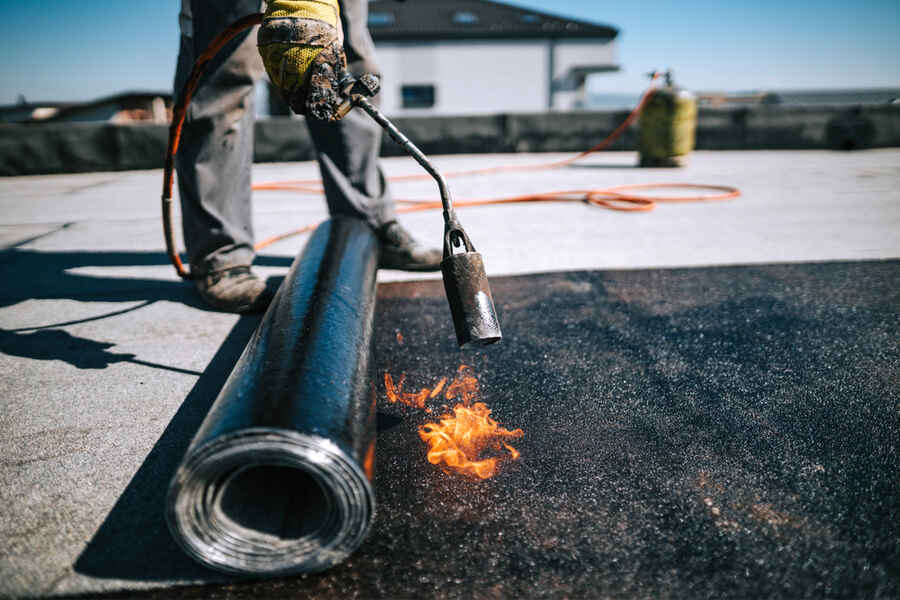
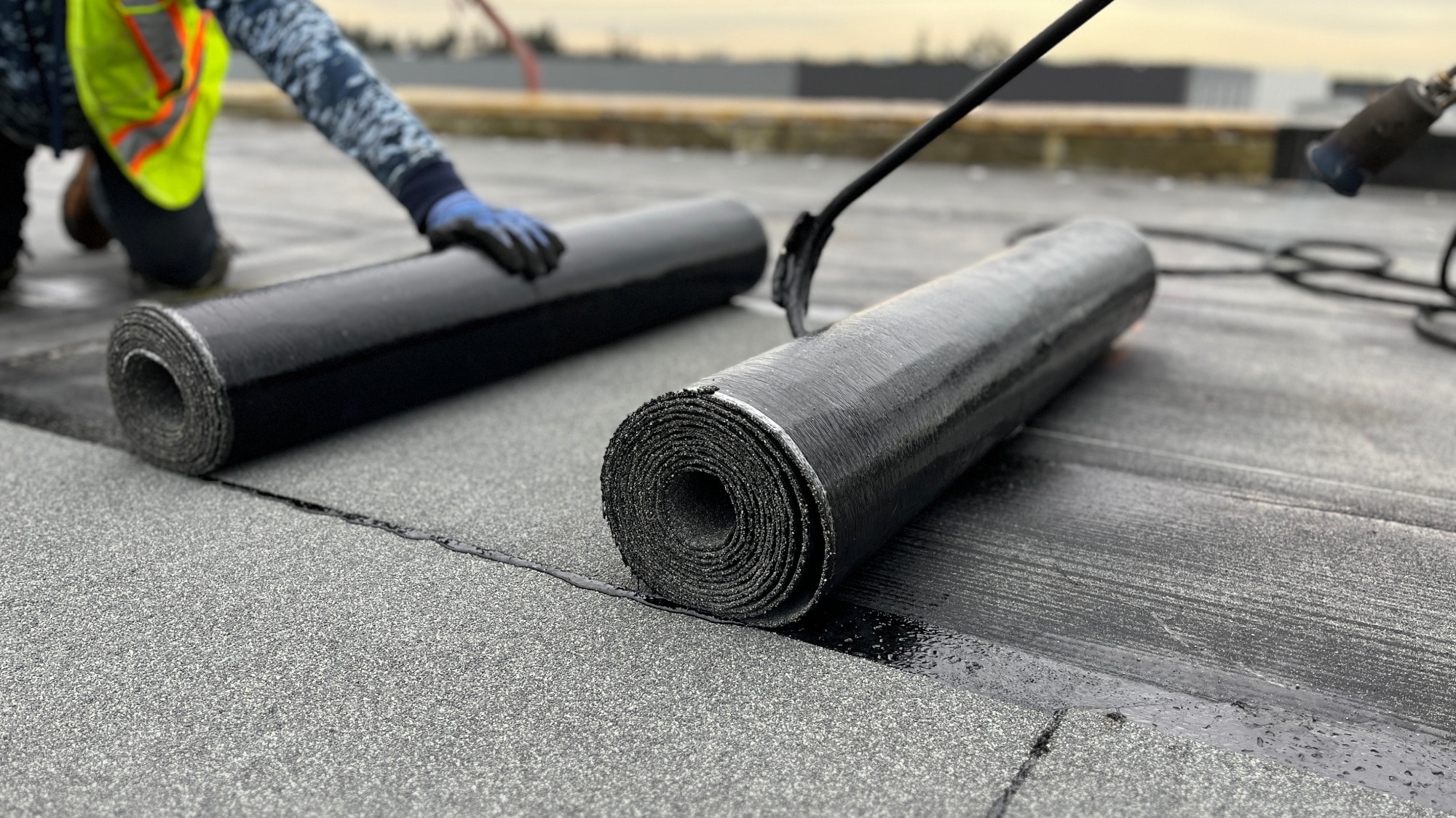
Unlike single-ply membranes (e.g., TPO or EPDM), SBS systems are multi-ply, providing built-in redundancy—if one layer is compromised, others protect the roof.
SBS 2-Ply System: Balanced Performance and Cost
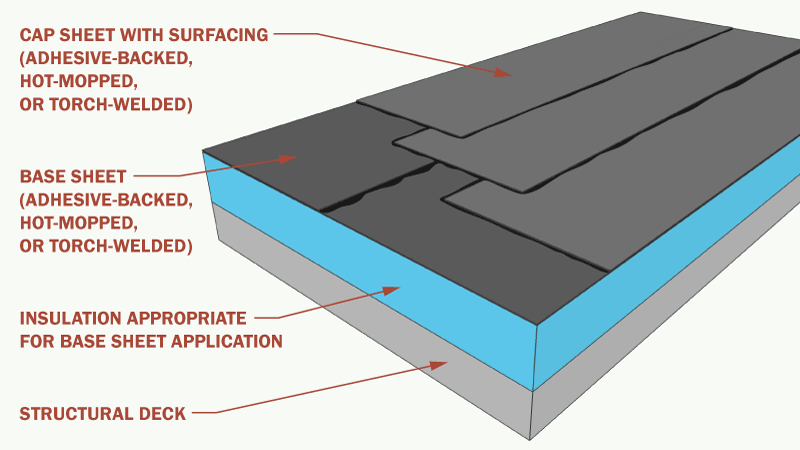
A 2-ply SBS system consists of two layers:
- Base sheet: Often mechanically fastened or adhered to the substrate, providing the foundation.
- Cap sheet: A granulated top layer for UV protection, foot traffic resistance, and weatherproofing.
This is the most common SBS configuration for residential and many commercial flat roofs in British Columbia.
Advantages of 2-Ply SBS:
- Excellent flexibility—stretches up to 300% without cracking, ideal for BC’s freeze-thaw cycles.
- Cost-effective compared to 3-ply (less material and labor).
- Typically qualifies for 20-year manufacturer warranties.
- Thicker overall than single-ply systems (around 220-250 mils), offering better puncture resistance.
- Easier installation in tight spaces, like balconies or urban rooftops.
Disadvantages:
- Slightly less redundancy than 3-ply, so more vulnerable in high-traffic or extreme-exposure areas.
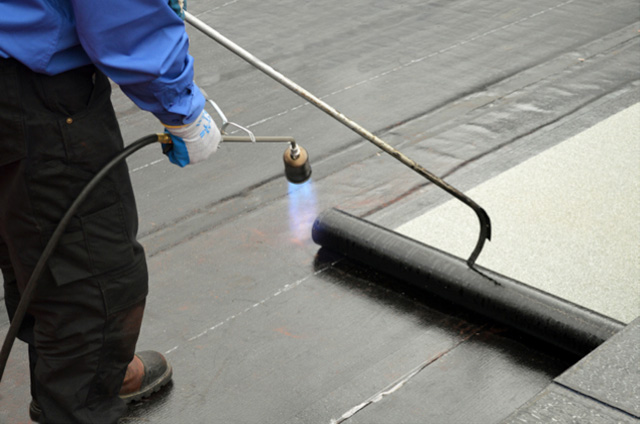
Installation often uses torch-down method (heating the underside with a propane torch for seamless bonding), cold adhesive, or self-adhered options for safer application.
SBS 3-Ply System: Maximum Durability and Longevity
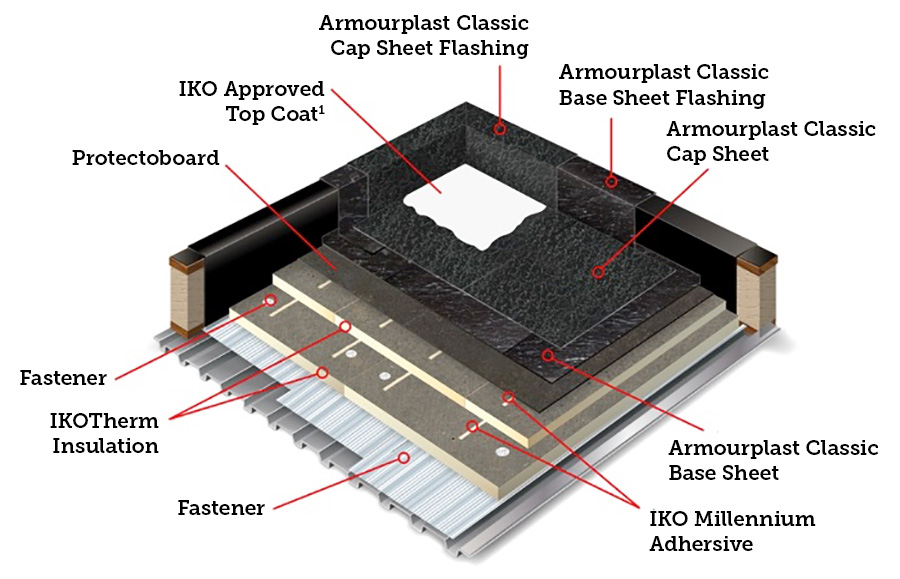
A 3-ply SBS system adds an intermediate ply between the base and cap sheets, creating three full layers of protection.
Advantages of 3-Ply SBS:
- Superior redundancy—multiple layers reduce leak risks from workmanship errors or damage.
- Enhanced thickness (up to 300 mils) for ultimate puncture, wind, and hail resistance.
- Often qualifies for extended warranties (up to 30 years).
- Ideal for high-traffic roofs, decks, or commercial buildings with heavy equipment.
- Better performance in severe weather, like heavy BC rain or snow loads.
Disadvantages:
- Higher cost due to extra materials and labor (essentially “roofing the roof three times”).
- Longer installation time.
This system shines in demanding applications, such as industrial roofs or areas prone to ponding water.
2-Ply vs. 3-Ply SBS: Which Is Right for Your Roof?
| Feature | 2-Ply SBS System | 3-Ply SBS System |
|---|---|---|
| Layers | Base + Cap | Base + Interply + Cap |
| Thickness | ~220-250 mils | ~280-300 mils |
| Durability | High (good for most homes/commercial) | Very High (heavy-duty applications) |
| Warranty | Typically 20 years | Up to 30 years |
| Cost | Lower | Higher |
| Best For | Residential, standard commercial | High-traffic, extreme exposure |
In rainy climates like British Columbia, both systems excel at waterproofing, but SBS’s elasticity prevents cracking from thermal expansion.


